


Digital ads are no longer optional for programs looking to grow, they are essential for keeping classes full and building a steady stream of new sign-ups. The challenge most program owners face is deciding where to invest their budget. Two of the most powerful tools, Facebook Ads and Google Ads, each work in completely different ways. Understanding how they differ is key to choosing the right strategy for your school or studio.
Facebook Ads are designed to help you connect with families who may not be actively searching for your programs yet. By targeting interests, behaviors, and demographics, you can build awareness and plant the seed long before a parent decides to enroll their child. This makes Facebook ideal for showing off your program’s personality, highlighting success stories, and keeping your name top of mind in your local community. It’s like word of mouth, but amplified and running around the clock.
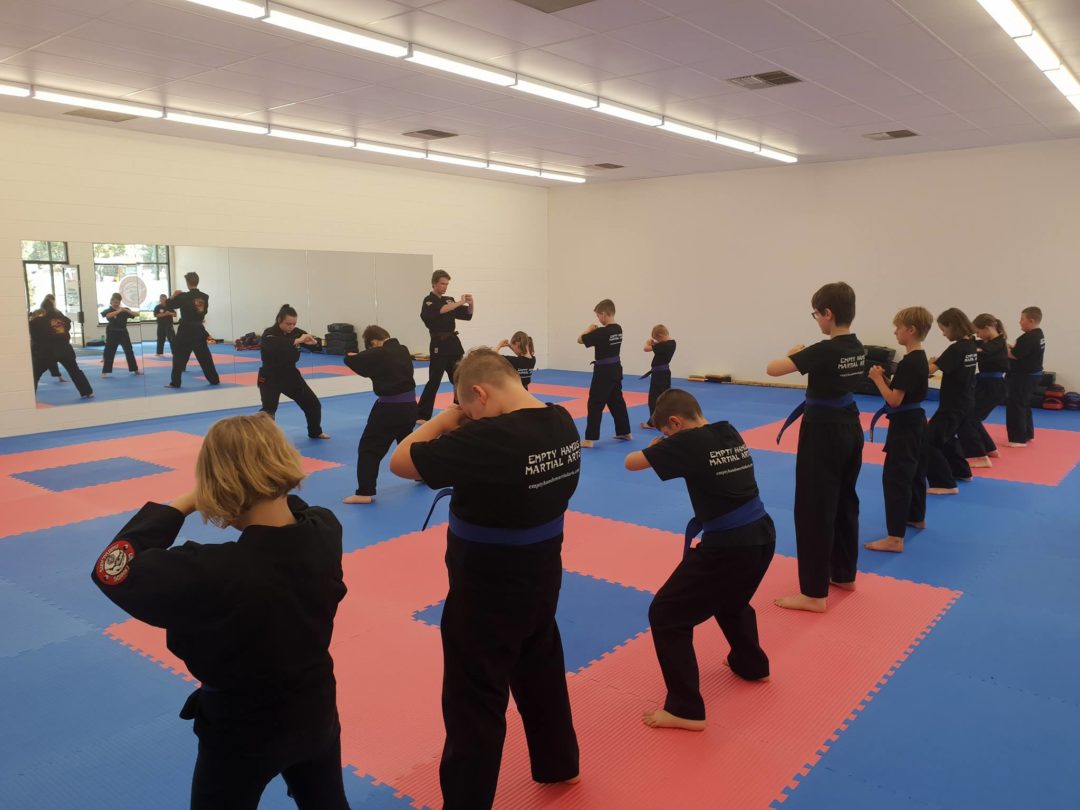
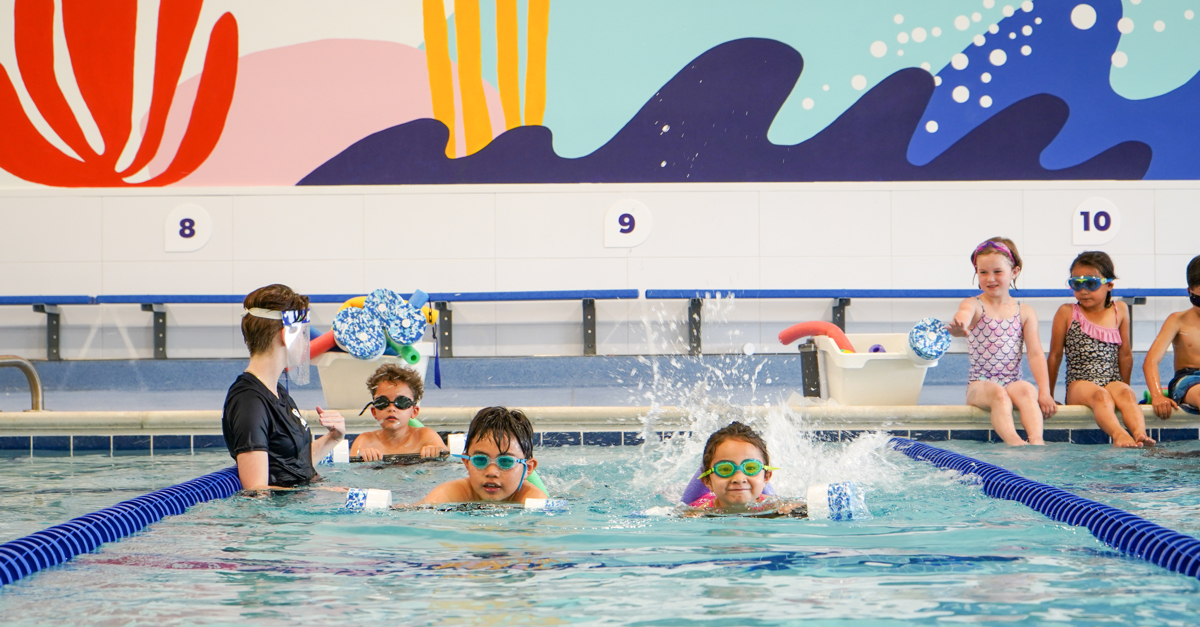
Google Ads focus on intent. When someone searches for “karate classes near me” or “best swim school in [city],” Google puts your program right in front of them at the exact moment they’re ready to sign up. This direct approach often leads to faster conversions because you are reaching families who already know what they need and are actively looking to enroll.
Cost is another factor to consider. Facebook clicks are usually cheaper, but results depend on having great visuals, strong messaging, and consistency over time. Google clicks can be more expensive, especially in competitive markets, but the families clicking are often highly motivated and ready to take action.
The truth is that both platforms serve different but equally important purposes. Facebook helps create demand by introducing your program to new families, while Google captures demand by reaching families already looking to sign up. The most effective marketing strategies use both together, creating a full funnel that builds awareness, drives action, and fills classes both now and in the future.
Choosing the right platform isn’t just about budget, it’s about alignment. If your goal is brand awareness and storytelling, Facebook Ads excel with precise targeting and visual formats. For immediate conversions from active searchers, Google Ads capture high-intent traffic. Often, a tailored blend of both, aligned to audience and goals, delivers the strongest ROI.
Final Thoughts
Stop asking which platform is “better” and start asking how to use them together to dominate your market. The businesses that understand this aren’t just competing, they’re winning.
Marketing Strategy


%20copy%2012.50.16%E2%80%AFPM.jpg)